Direct answer
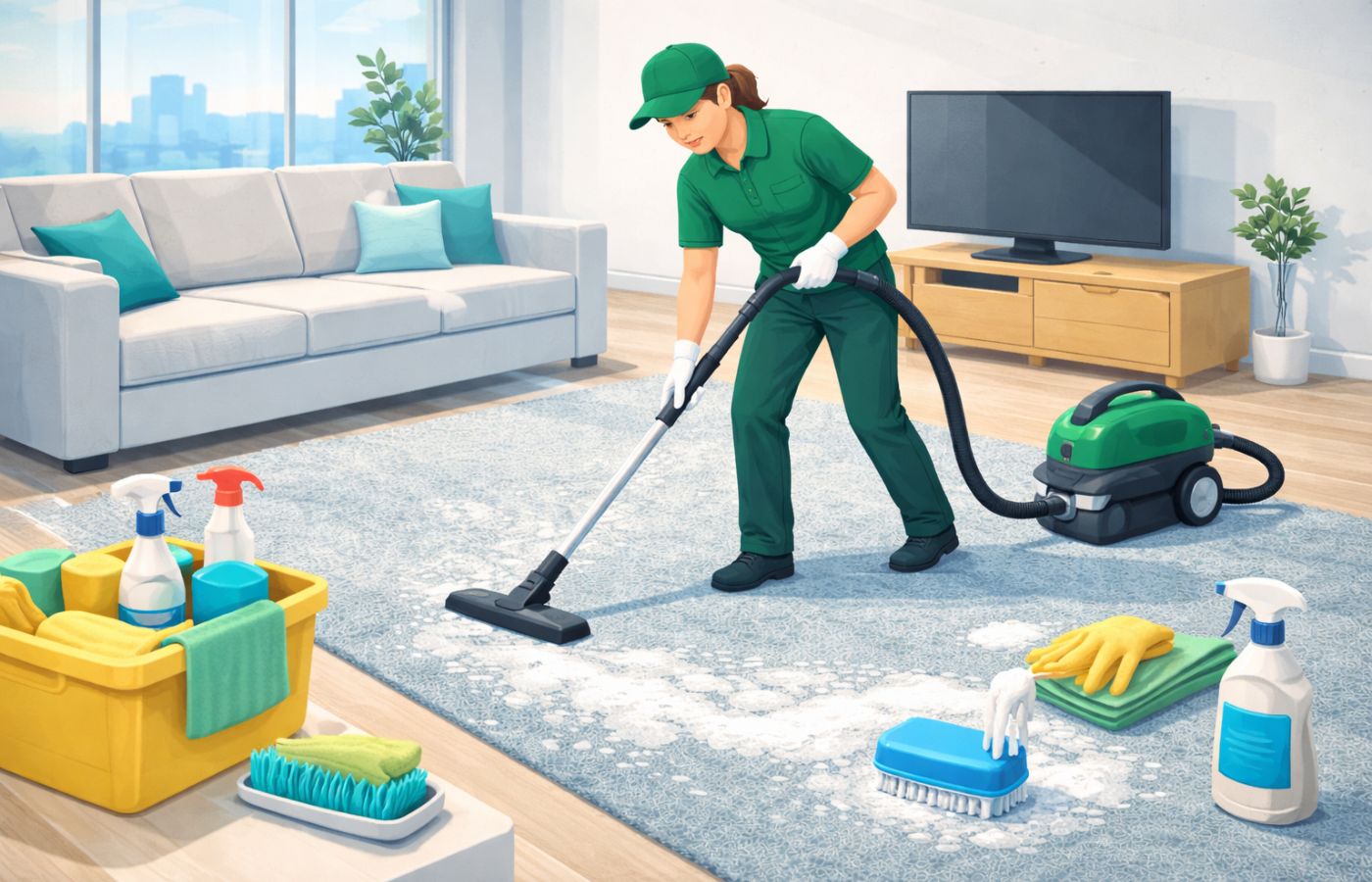
How to deep clean a carpet involves a thorough process that removes embedded dirt, stains, and allergens to restore its appearance and hygiene. This typically includes vacuuming, spot treatment, applying a suitable cleaning solution, agitating the fibers, and rinsing or extracting the residue. The goal is to achieve a fresh, clean carpet that looks and feels revitalized, extending its lifespan and improving indoor air quality. Proper technique and the right materials are essential to avoid damage and ensure effective cleaning.
Quick checklist
- Gather all necessary cleaning supplies before starting to deep clean a carpet.
- Vacuum the carpet thoroughly to remove loose dirt and debris.
- Pre-treat any visible stains with an appropriate carpet stain remover.
- Use a carpet cleaning machine or shampoo to clean the carpet deeply.
- Allow the carpet to dry completely to prevent mold and mildew growth.
- Inspect the carpet after drying to ensure all areas are clean and repeat if necessary.
Requirements and materials
- Vacuum cleaner: Used for removing loose dirt and debris from carpet fibers. Outcome: Prepares the carpet surface for deeper cleaning by eliminating surface particles.
- Carpet shampoo or cleaning solution: Used for breaking down stains and embedded dirt. Outcome: Enhances the effectiveness of the deep cleaning process and restores carpet appearance.
- Scrub brush or carpet cleaning machine: Used for agitating the carpet fibers to loosen dirt. Outcome: Improves soil removal and ensures thorough cleaning of the carpet pile.
- Clean water and towels: Used for rinsing and drying the carpet after cleaning. Outcome: Prevents residue buildup and helps the carpet dry faster to avoid mold or mildew.
Comparison and decision matrix
- Option: Dry cleaning method. What it means: Uses minimal moisture and specialized powders or solvents to clean the carpet. Recommended approach: Ideal for delicate carpets or quick cleaning without long drying times. Watch-out: May not remove deep stains or heavy dirt effectively.
- Option: Steam cleaning (hot water extraction). What it means: Injects hot water and cleaning solution into the carpet fibers and extracts dirt with powerful suction. Recommended approach: Best for deep cleaning and removing embedded dirt and allergens. Watch-out: Requires longer drying time and may risk carpet shrinkage if overused.
- Option: Shampooing. What it means: Applies foamy detergent to the carpet surface, scrubs, and then rinses or vacuums the residue. Recommended approach: Suitable for heavily soiled carpets needing thorough cleaning. Watch-out: Residue left behind can attract dirt quickly if not rinsed properly.
Step-by-step process
- Action: Vacuum thoroughly. Object: carpet surface. Method: use a high-suction vacuum cleaner to remove loose dirt and debris. Outcome: prepares carpet for deeper cleaning by eliminating surface particles.
- Action: Pre-treat stains. Object: visible carpet stains. Method: apply a carpet stain remover or homemade solution directly to spots. Outcome: loosens stubborn stains for more effective cleaning.
- Action: Mix cleaning solution. Object: cleaning mixture. Method: combine water with carpet shampoo or a recommended detergent. Outcome: creates an effective cleaning agent for deep soil removal.
- Action: Apply cleaning solution. Object: carpet fibers. Method: use a carpet cleaning machine or scrub brush to distribute solution evenly. Outcome: penetrates fibers to break down dirt and grime.
- Action: Extract moisture. Object: treated carpet area. Method: use a wet vacuum or extractor to remove water and dissolved dirt. Outcome: reduces drying time and prevents residue buildup.
- Action: Dry carpet completely. Object: cleaned carpet. Method: increase airflow with fans or open windows and avoid foot traffic. Outcome: prevents mold growth and restores carpet texture.
What to avoid
Using unsafe tools or improper methods when learning how to deep clean a carpet can damage fibers, cause discoloration, or leave residues. Avoid shortcuts that skip essential preparation or drying steps, as these can lead to poor results and even mold growth. Choosing the wrong materials or ignoring manufacturer guidelines often results in irreversible harm to your carpet's appearance and longevity.
- Avoid: Using harsh chemical cleaners. Why it is risky: They can strip carpet fibers and cause fading. Safer alternative: Use pH-balanced, carpet-safe cleaning solutions.
- Avoid: Over-wetting the carpet. Why it is risky: Excess moisture can lead to mold and mildew growth. Safer alternative: Apply cleaning solutions sparingly and dry thoroughly with fans or open windows.
- Avoid: Using stiff brushes or abrasive tools. Why it is risky: They can damage carpet fibers and reduce softness. Safer alternative: Use soft-bristled brushes or microfiber cloths for gentle agitation.
- Avoid: Skipping vacuuming before deep cleaning. Why it is risky: Dirt and debris can embed deeper during cleaning, causing damage. Safer alternative: Always vacuum thoroughly to remove loose particles first.
Common mistakes and risks
- Using excessive water during How to deep clean a carpet causes prolonged drying times and increases the risk of mold growth.
- Applying harsh chemical cleaners leads to fiber damage and color fading, reducing carpet lifespan.
- Skipping pre-vacuuming creates worse dirt embedding, making deep cleaning less effective and causing residue buildup.
- Over-scrubbing stains creates fiber wear and distortion, which damages carpet texture and appearance.
Scenario-specific guidance
How to deep clean a carpet varies depending on the carpet type, stain severity, and available equipment. For delicate or natural fiber carpets, use gentle cleaners and avoid excessive moisture to prevent damage. In high-traffic areas, more frequent deep cleaning with stronger methods may be necessary. Pet owners should focus on odor removal and stain treatment using enzymatic cleaners. When time or tools are limited, spot cleaning combined with regular vacuuming can maintain cleanliness until a full deep clean is possible.
Typical ranges and decision points
When learning how to deep clean a carpet, typical ranges and thresholds provide practical guidance but vary by carpet type, soil level, and cleaning method. These values should be used as flexible decision points rather than strict rules, as factors like material sensitivity and environmental conditions affect outcomes. Adjust your approach when results fall outside these ranges to ensure effective and safe cleaning.
- Range: Cleaning frequency every 6 to 12 months. Affected by: foot traffic, pet presence, and indoor air quality. Action: Increase frequency if stains or odors persist between cleanings.
- Range: Drying time of 4 to 12 hours post-cleaning. Affected by: humidity, ventilation, and cleaning solution used. Action: Improve airflow or reduce moisture if drying exceeds 12 hours to prevent mold growth.
- Range: Water usage of 0.5 to 1.5 gallons per 100 square feet. Affected by: carpet material and cleaning equipment efficiency. Action: Reduce water use if carpet remains overly wet or drying is delayed.
- Range: Pre-treatment dwell time of 5 to 15 minutes. Affected by: stain type and product strength. Action: Adjust dwell time if stains are not lifting or if carpet fibers show damage.
When to seek expert help
You should seek expert help when you encounter stubborn stains, extensive dirt buildup, or delicate carpet materials that require specialized care. If you are unsure about the cleaning products or techniques to use, or if previous attempts at how to deep clean a carpet have failed, consulting a professional can prevent damage and ensure effective results. Additionally, if your carpet is antique, valuable, or has complex fibers, an expert's advice or service is recommended to maintain its quality and longevity.