
Direct answer
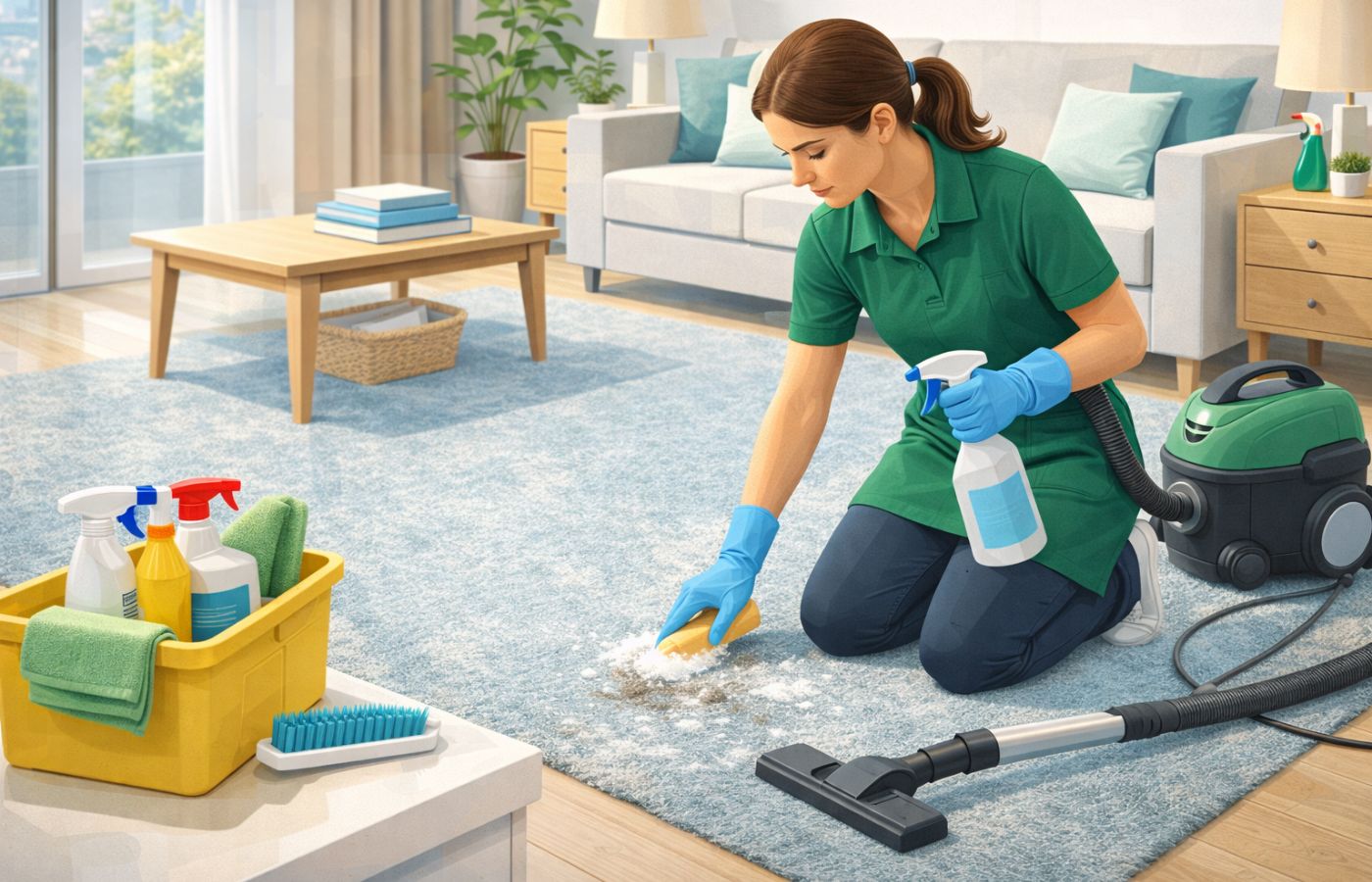
How to clean a carpet involves a straightforward process of removing dirt, stains, and allergens to restore its appearance and freshness. Begin by vacuuming thoroughly to eliminate loose debris. Next, treat any stains with appropriate cleaners, followed by deep cleaning using a carpet shampooer or steam cleaner. Allow the carpet to dry completely to prevent mold growth. Regular maintenance and prompt attention to spills will keep your carpet looking its best and extend its lifespan.
Quick checklist
- Check the carpet material type to select appropriate cleaning methods and products.
- Vacuum thoroughly to remove loose dirt and debris before any wet cleaning.
- Test cleaning solutions on a small, hidden area to ensure no discoloration or damage.
- Use the right amount of cleaner to avoid over-saturating the carpet fibers.
- Work in small sections to ensure even cleaning and prevent drying marks.
- Allow the carpet to dry completely before walking on it to avoid re-soiling.
Requirements and materials
- Vacuum cleaner: Used for removing loose dirt and debris from carpet fibers. Outcome: Prepares the carpet surface for deeper cleaning and prevents dirt from embedding further.
- Carpet shampoo or cleaning solution: Used for breaking down stains and dirt within the carpet fibers. Outcome: Enhances the effectiveness of cleaning and restores carpet appearance.
- Soft-bristled brush: Used for gently agitating the cleaning solution into the carpet. Outcome: Helps lift dirt without damaging carpet fibers.
- Clean microfiber cloths or towels: Used for blotting and drying treated areas. Outcome: Removes excess moisture and prevents water stains or mold growth.
Comparison and decision matrix
- Option: Dry cleaning method. What it means: Uses minimal moisture and specialized powders or solvents to clean carpets. Recommended approach: Ideal for delicate carpets or quick cleaning without long drying times. Watch-out: May not remove deep stains or heavy dirt effectively.
- Option: Steam cleaning (hot water extraction). What it means: Injects hot water and cleaning solution into the carpet and extracts it with a vacuum. Recommended approach: Best for deep cleaning and removing embedded dirt and allergens. Watch-out: Requires longer drying time and may damage sensitive fibers if overused.
- Option: Shampooing. What it means: Applies foamy detergent to the carpet surface and scrubs it before rinsing. Recommended approach: Suitable for heavily soiled carpets with tough stains. Watch-out: Risk of residue buildup if not rinsed properly, which can attract more dirt.
Step-by-step process
- Action: Vacuum thoroughly. Object: carpet surface. Method: use a high-suction vacuum cleaner to remove loose dirt and debris. Outcome: reduces surface dust and prepares carpet for deeper cleaning.
- Action: Pre-treat stains. Object: visible carpet stains. Method: apply a carpet stain remover or homemade solution directly to spots. Outcome: loosens tough stains for easier removal during cleaning.
- Action: Mix cleaning solution. Object: cleaning agent. Method: dilute carpet shampoo or detergent according to instructions. Outcome: ensures safe and effective cleaning without damaging fibers.
- Action: Apply cleaning solution. Object: carpet area. Method: use a spray bottle or sponge to evenly distribute solution over the carpet. Outcome: loosens soil without over-wetting the carpet or backing; extract moisture thoroughly.
- Action: Agitate carpet fibers. Object: treated carpet section. Method: gently scrub with a soft brush or carpet cleaner machine. Outcome: lifts embedded dirt and enhances cleaning effectiveness.
- Action: Rinse and extract moisture. Object: cleaned carpet area. Method: use clean water and a wet vacuum or absorbent towels to remove residue. Outcome: prevents sticky buildup and accelerates drying.
- Action: Dry carpet completely. Object: damp carpet surface. Method: increase airflow with fans or open windows. Outcome: avoids mold growth and restores carpet texture.
- Action: Inspect cleaned area. Object: finished carpet section. Method: visually check and feel for cleanliness and dryness. Outcome: confirms cleaning success and identifies any spots needing repeat treatment.
What to avoid
Using unsafe tools, harsh chemicals, or improper methods when learning how to clean a carpet can damage fibers, cause discoloration, or leave residues. Shortcuts and assumptions often lead to poor cleaning results and may require costly repairs or replacements. It is important to avoid these pitfalls to maintain carpet quality and ensure effective cleaning.
- Avoid: Using bleach or harsh chemicals. Why it is risky: Can discolor or weaken carpet fibers. Safer alternative: Use pH-balanced carpet cleaners designed for fabric.
- Avoid: Over-wetting the carpet. Why it is risky: Leads to mold growth and prolonged drying times. Safer alternative: Apply cleaning solutions sparingly and dry promptly.
- Avoid: Scrubbing aggressively with stiff brushes. Why it is risky: Damages carpet texture and fibers. Safer alternative: Use soft-bristled brushes or gentle agitation.
- Avoid: Ignoring manufacturer care instructions. Why it is risky: May void warranties and cause irreversible damage. Safer alternative: Always check and follow carpet care guidelines.
Common mistakes and risks
- Using excessive water during cleaning causes prolonged drying times and increases the risk of mold growth.
- Applying harsh chemicals leads to carpet fiber damage and color fading, reducing carpet lifespan.
- Neglecting to vacuum before cleaning creates dirt embedding deeper into fibers, worsening stains.
- Rubbing stains aggressively creates fiber wear and spreads the stain, making it harder to remove.
Scenario-specific guidance
How to clean a carpet varies depending on the carpet type, stain severity, and available cleaning tools. For delicate or antique carpets, use gentle, low-moisture methods to avoid damage. In high-traffic areas, more frequent cleaning with stronger solutions may be necessary. When dealing with pet stains, enzymatic cleaners are recommended to break down odors and residues effectively. Additionally, consider environmental factors such as humidity and drying time to prevent mold growth. Tailoring your approach to these scenarios ensures effective cleaning while preserving carpet quality.
Typical ranges and decision points
When learning how to clean a carpet, typical ranges and thresholds vary depending on carpet type, soil level, and cleaning method. These ranges serve as practical guidance rather than absolute rules. Factors such as traffic frequency, stain severity, and cleaning product strength affect the appropriate timing and intensity of cleaning. Adjust your approach if results fall outside these ranges to maintain carpet quality and cleanliness.
- Range: Clean carpets every 6 to 12 months. Affected by: foot traffic, pet presence, and environmental dust. Action: Increase frequency if carpets appear visibly dirty or odors develop.
- Range: Spot clean stains within 24 hours. Affected by: stain type, carpet fiber, and cleaning agent used. Action: Treat stains promptly to prevent permanent damage or discoloration.
- Range: Use water temperature between 60°F and 120°F for cleaning solutions. Affected by: carpet material sensitivity and cleaning method. Action: Avoid higher temperatures to prevent fiber shrinkage or damage.
- Range: Allow carpets to dry within 4 to 8 hours after cleaning. Affected by: ventilation, humidity, and cleaning method. Action: Improve airflow or use fans if drying exceeds this range to prevent mold growth.
When to seek expert help
You should seek expert help when you encounter stubborn stains that resist standard cleaning methods, or if the carpet material is delicate and requires specialized care. If you are unsure about the appropriate cleaning products or techniques, consulting a professional can prevent damage. Additionally, when the carpet covers a large area or has significant soiling, professional services ensure thorough and efficient cleaning. If you notice persistent odors or mold growth, an expert can provide safe and effective treatment. In summary, when the task exceeds your knowledge or tools, or if the carpet has sentimental or high monetary value, it is best to seek expert help for how to clean a carpet.