Direct answer
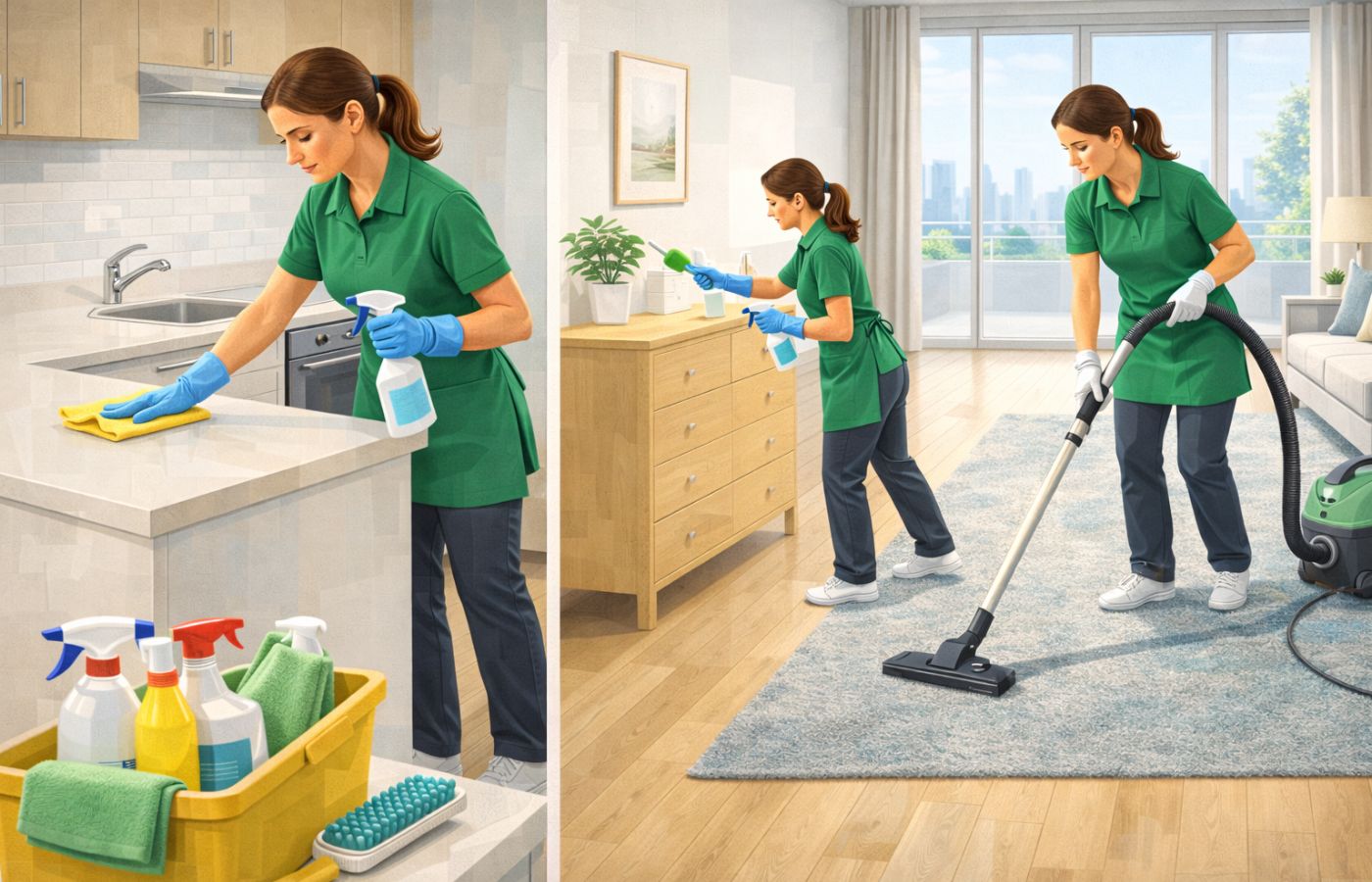
A Complete regular domestic cleaning checklist ensures every essential task is covered to maintain a healthy and tidy home environment. Without a structured checklist, important areas can be overlooked, leading to accumulated dirt, allergens, and potential hygiene risks. By following a comprehensive checklist, you can systematically address all cleaning needs, from dusting and vacuuming to sanitizing surfaces and managing waste. This approach reduces the chance of missed spots and helps maintain consistent cleanliness, saving time and effort in the long run.
Quick checklist
- Verify all rooms are decluttered before cleaning to ensure thorough coverage.
- Dust all surfaces, including shelves, baseboards, and light fixtures, to remove accumulated dirt.
- Vacuum carpets and rugs, paying special attention to high-traffic areas and corners.
- Mop hard floors using appropriate cleaners to avoid damage and maintain shine.
- Clean kitchen and bathroom surfaces with disinfectants to eliminate germs and stains.
- Empty trash bins and replace liners to maintain hygiene and freshness.
Requirements and materials
- Item: Microfiber cleaning cloths. Used for: gently removing dust and dirt from surfaces without scratching. Outcome: ensures a thorough clean while protecting delicate finishes.
- Item: All-purpose cleaning spray. Used for: dissolving grease and grime on various household surfaces. Outcome: facilitates effective cleaning and leaves surfaces fresh and residue-free.
- Item: Vacuum cleaner with attachments. Used for: removing dust, hair, and debris from floors, carpets, and upholstery. Outcome: improves air quality and prevents buildup of allergens.
- Item: Protective gloves. Used for: safeguarding hands from harsh chemicals and prolonged moisture exposure. Outcome: maintains skin health and prevents irritation during cleaning tasks.
Comparison and decision matrix
- Option: Basic checklist. What it means: A simple list covering essential cleaning tasks. Recommended approach: Use for routine cleaning with limited time. Watch-out: May miss deep cleaning needs or less obvious areas.
- Option: Comprehensive checklist. What it means: A detailed list including all rooms and tasks for thorough cleaning. Recommended approach: Use for regular full-home cleaning to maintain high standards. Watch-out: Can be time-consuming and overwhelming if not managed well.
- Option: Customized checklist. What it means: Tailored tasks based on specific home needs or preferences. Recommended approach: Use when certain areas require special attention or frequency. Risk: Requires regular updates to stay relevant and effective.
Step-by-step process
- Action: Prepare cleaning plan. Object: complete regular domestic cleaning checklist. Method: review checklist items and prioritize tasks. Outcome: ensures organized and efficient cleaning workflow.
- Action: Gather cleaning supplies. Object: cleaning tools and products. Method: collect all necessary materials before starting. Outcome: prevents interruptions and maintains cleaning momentum.
- Action: Dust surfaces. Object: furniture and fixtures. Method: use microfiber cloths and dusters systematically. Outcome: removes loose dirt and prepares surfaces for deeper cleaning.
- Action: Clean floors. Object: all floor areas. Method: vacuum and mop using appropriate cleaners. Outcome: eliminates dirt and maintains floor hygiene.
- Action: Sanitize high-touch areas. Object: doorknobs, switches, and handles. Method: apply disinfectant wipes or sprays. Outcome: reduces germs and prevents illness spread.
- Action: Inspect completed areas. Object: cleaned rooms and surfaces. Method: perform visual and tactile checks against checklist. Outcome: confirms thorough cleaning and identifies missed spots.
What to avoid
Using unsafe tools, improper methods, or shortcuts in your Complete regular domestic cleaning checklist can lead to ineffective cleaning, damage to surfaces, or health risks. Avoiding these pitfalls ensures a thorough and safe cleaning process that maintains your home's condition and hygiene.
- Avoid: Using harsh chemical cleaners indiscriminately. Why it is risky: They can damage surfaces and harm indoor air quality. Safer alternative: Use pH-neutral, surface-appropriate cleaners.
- Avoid: Skipping dusting before mopping. Why it is risky: Dust and debris can smear and scratch floors. Safer alternative: Always dust or vacuum first to remove loose dirt.
- Avoid: Over-wetting surfaces during cleaning. Why it is risky: Excess moisture can cause damage or mold growth. Safer alternative: Use damp, not soaked, cloths and allow proper drying.
- Avoid: Using abrasive tools on delicate materials. Why it is risky: Scratches and surface damage reduce lifespan and appearance. Safer alternative: Use soft microfiber cloths or brushes designed for the material.
Common mistakes and risks
- Neglecting to follow the Complete regular domestic cleaning checklist causes missed areas and leads to uneven cleanliness.
- Using inappropriate cleaning products creates surface damage and increases the risk of discoloration or residue buildup.
- Rushing the cleaning process leads to incomplete tasks and worse overall hygiene and appearance.
- Ignoring regular maintenance schedules increases dirt accumulation and causes more difficult and time-consuming cleaning later.
Scenario-specific guidance
The Complete regular domestic cleaning checklist adapts based on household size, pet presence, and allergy considerations. For homes with pets, prioritize frequent vacuuming and pet hair removal. In allergy-sensitive environments, focus on dusting and using hypoallergenic products. Larger households may require more frequent cleaning cycles, while smaller homes can follow a simplified routine. Adjust cleaning materials and methods to suit flooring types and surface finishes to maintain effectiveness and avoid damage.
Typical ranges and decision points
Typical ranges and thresholds in a Complete regular domestic cleaning checklist vary depending on household size, usage, and environmental factors. These values serve as practical guidance rather than strict rules, helping you decide when to clean or adjust routines. Always consider your specific context and adjust accordingly if results fall outside these ranges.
- Frequency: Clean high-touch surfaces 2-3 times per week. Affected by: number of occupants, pets, and daily activity. Action: Increase frequency if surfaces feel sticky or dusty within 24 hours.
- Trigger: Immediate cleaning after 1 visible spill or stain. Affected by: surface type and spill composition. Action: Treat promptly to prevent staining or damage.
- Time span: Spend 30-45 minutes on routine room cleaning. Affected by: room size, clutter, and cleaning tools. Action: Divide tasks into zones if time exceeds 45 minutes.
- Limit: Use no more than 1 damp cloth pass on delicate wood surfaces. Affected by: finish type and ventilation. Action: Test cleaners on hidden areas before full application.
When to seek expert help
You should seek expert help when the Complete regular domestic cleaning checklist becomes overwhelming or when specialized cleaning challenges arise, such as stubborn stains, mold, or delicate surfaces. If you notice persistent odors, health concerns, or damage that regular cleaning cannot resolve, it is advisable to consult a professional. Additionally, when time constraints or physical limitations prevent thorough cleaning, experts can ensure the job is done effectively and safely. Knowing when to call in specialists helps maintain a healthy and well-maintained home environment.