
Direct answer
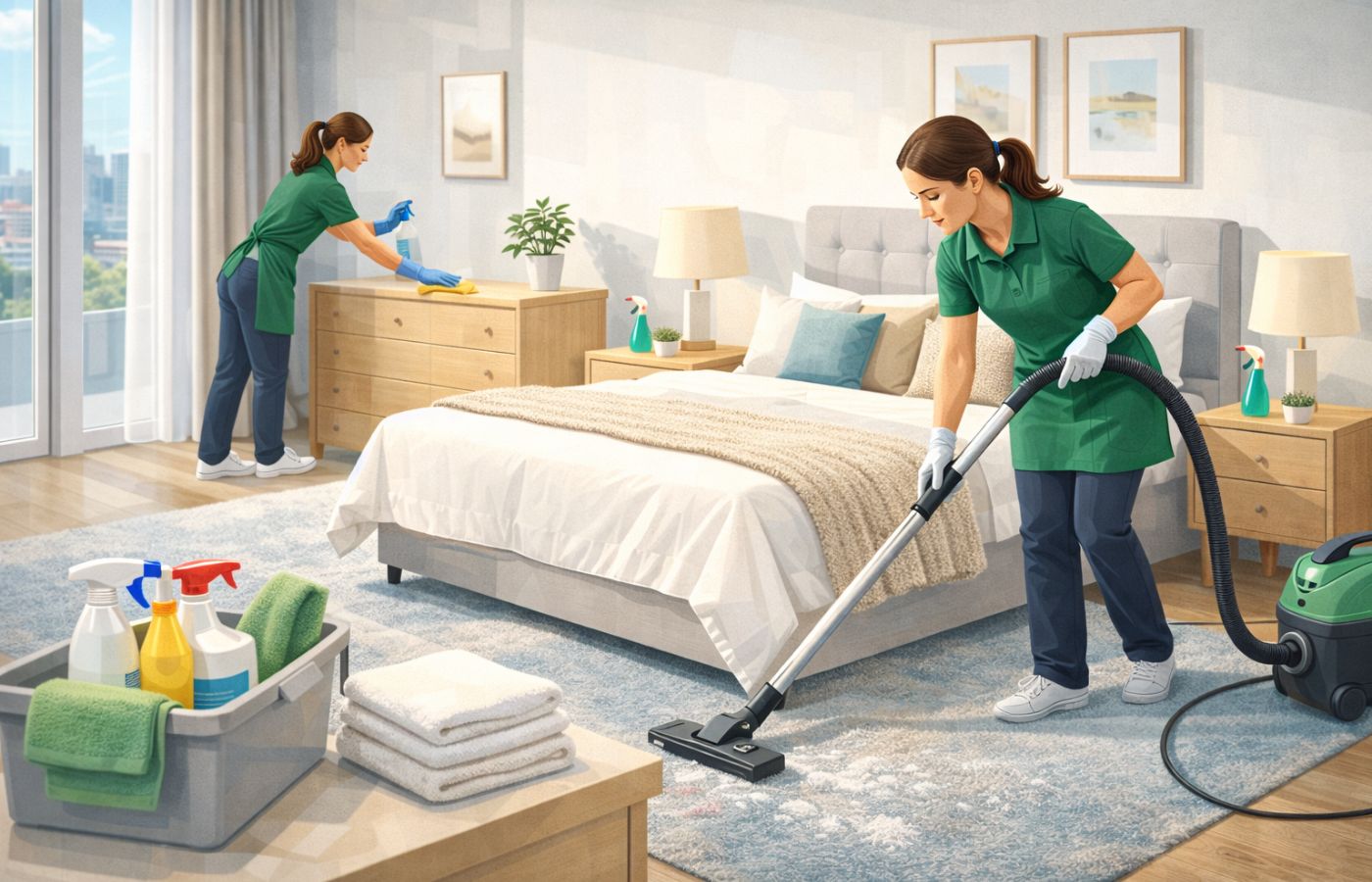
Cleaning a bedroom effectively requires a step-by-step process to eliminate dust, dirt, and clutter, resulting in a fresh and comfortable environment. Begin by sorting and putting away personal items, then collect and dispose of any trash. Use a microfiber cloth to dust all surfaces, including shelves, window sills, and baseboards. Follow by vacuuming the floor thoroughly, paying special attention to corners and under the bed. For hard floors, mop with a suitable cleaner. Choose cleaning products that are safe for your furniture finishes and fabric types to avoid damage. Establishing a weekly cleaning schedule helps maintain cleanliness and improves indoor air quality by reducing allergens over time.
Quick checklist
- Remove clutter from surfaces and floor to prepare for cleaning.
- Dust all furniture, shelves, and fixtures using a microfiber cloth.
- Vacuum carpets and rugs thoroughly, including edges and under furniture.
- Wipe down windows, mirrors, and glass surfaces with a streak-free cleaner.
- Change bed linens and pillowcases to refresh the sleeping area.
- Empty trash bins and replace liners to maintain hygiene.
Requirements and materials
- Item: Vacuum cleaner with attachments. Used for: removing dust and debris from floors, carpets, and upholstery. Outcome: ensures thorough dirt removal and prepares surfaces for deeper cleaning.
- Item: Microfiber cloths and dusters. Used for: wiping surfaces and capturing fine dust without scratching. Outcome: prevents dust redistribution and protects delicate items.
- Item: All-purpose cleaner or mild detergent. Used for: cleaning various surfaces including furniture, windowsills, and fixtures. Outcome: removes stains and grime effectively without damaging materials.
- Item: Trash bags and storage bins. Used for: collecting waste and organizing items during cleaning. Outcome: maintains tidiness and facilitates decluttering for a cleaner bedroom.
Comparison and decision matrix
- Option: Quick tidy. What it means: A fast clean focusing on visible clutter and surfaces. Recommended approach: Use when short on time or for regular maintenance. Watch-out: May miss deep cleaning needs and hidden dust.
- Option: Deep clean. What it means: Thorough cleaning including under furniture, linens, and detailed surfaces. Recommended approach: Choose for seasonal cleaning or when the bedroom is heavily soiled. Watch-out: Requires more time and effort, so plan accordingly.
- Option: Professional service. What it means: Hiring experts to clean the bedroom using specialized tools and products. Recommended approach: Use when dealing with allergies, stains, or lack of time. Risk: Higher cost and less control over cleaning methods.
Step-by-step process
- Action: Declutter. Object: bedroom surfaces and floor. Method: remove items not belonging in the bedroom. Outcome: creates a clear space for effective cleaning.
- Action: Dust. Object: furniture, shelves, and fixtures. Method: use a microfiber cloth or duster. Outcome: removes dust buildup and improves air quality.
- Action: Vacuum. Object: carpet and rugs. Method: use a vacuum cleaner with appropriate attachments. Outcome: eliminates dirt, hair, and allergens from floor coverings.
- Action: Wipe. Object: hard surfaces like nightstands and window sills. Method: apply a gentle cleaner with a cloth. Outcome: removes stains and sticky residues.
- Action: Change. Object: bed linens and pillowcases. Method: replace with fresh, clean bedding. Outcome: enhances comfort and hygiene.
- Action: Organize. Object: personal items and storage areas. Method: arrange belongings neatly and store properly. Outcome: maintains order and reduces clutter recurrence.
What to avoid
When learning how to clean a bedroom, using abrasive tools like harsh scrubbers on delicate surfaces or chemical cleaners on fabrics can cause damage or leave residues. Avoiding shortcuts such as skipping dusting or vacuuming under furniture helps maintain the integrity of surfaces and fabrics, and ensures thorough removal of dirt and allergens. Unsafe assumptions, like using water on all stains or neglecting to test cleaning products on hidden areas, often result in stains setting permanently or damage that requires costly repairs.
- Avoid: Using harsh chemical cleaners indiscriminately. Why it is risky: They can damage surfaces and irritate skin or airways. Safer alternative: Use mild, surface-appropriate cleaners and test in a small area first.
- Avoid: Over-wetting carpets or upholstery. Why it is risky: Excess moisture can cause mold growth and fabric damage. Safer alternative: Use minimal liquid and dry thoroughly with fans or open windows.
- Avoid: Skipping dusting before vacuuming. Why it is risky: Dust can settle deeper into fabrics and surfaces, reducing cleaning effectiveness. Safer alternative: Dust surfaces first to remove loose particles.
- Avoid: Using abrasive tools on delicate surfaces. Why it is risky: Scratches and surface wear can occur, ruining finishes. Safer alternative: Use soft cloths or brushes designed for the material.
Common mistakes and risks
- Neglecting to remove dust before cleaning causes dirt to smear and reduces cleaning effectiveness.
- Using excessive water or cleaning solution leads to moisture damage and longer drying times.
- Applying harsh chemicals creates surface discoloration and material degradation over time.
- Skipping regular cleaning increases buildup, which makes future cleaning harder and less effective.
Scenario-specific guidance
How to clean a bedroom depends on specific factors such as the room's square footage, the occupant's age and health needs, and the cleaning supplies available. For bedrooms under 100 square feet, concentrate on removing clutter efficiently and dusting surfaces with a microfiber cloth to trap dust quickly. Larger bedrooms, over 200 square feet, benefit from dividing the space into zones and cleaning each systematically to ensure thoroughness. When cleaning for children or individuals with allergies, select fragrance-free, hypoallergenic cleaning agents and avoid bleach or ammonia-based products to minimize irritation. If time is limited to under 15 minutes, focus on disinfecting high-touch areas like doorknobs, light switches, and bedside tables, and remove any visible clutter from floors and surfaces. For pet owners, incorporate vacuuming with a HEPA filter to capture pet hair and dander, and use enzymatic sprays to neutralize odors on carpets and upholstery. Tailoring your cleaning routine to these detailed conditions ensures a safer, more effective bedroom cleaning process.
Typical ranges and decision points
When learning how to clean a bedroom, typical ranges and decision points vary depending on room size, usage, and personal standards. For example, a small guest bedroom used infrequently may only need dusting and vacuuming once every two weeks, while a larger master bedroom with pets and daily use might require weekly cleaning including changing bed linens and wiping surfaces. These ranges serve as practical guidance rather than absolute rules, as factors like frequency of use, presence of pets, and allergies affect cleaning needs. Adjust your approach when results fall outside these ranges to maintain a healthy and comfortable environment.
- Range: Clean bedroom surfaces weekly. Affected by: room usage, dust accumulation, and presence of pets. Action: Increase frequency if allergies or visible dust are present.
- Range: Change bed linens every 1 to 2 weeks. Affected by: personal hygiene, sweating, and skin conditions. Action: Wash linens more often if illness or allergies occur.
- Range: Vacuum or sweep floors 1 to 3 times per week. Affected by: floor type, foot traffic, and outdoor exposure. Action: Increase cleaning after spills or heavy dirt buildup.
- Range: Declutter and organize monthly. Affected by: storage space, lifestyle, and number of occupants. Action: Schedule extra sessions if clutter accumulates quickly.
When to seek expert help
Seek expert help specifically when dealing with stains like red wine, ink, or blood that resist standard cleaning, persistent odors such as mold or pet smells, or when cleaning delicate fabrics like silk curtains or antique upholstery. If you are uncertain about which cleaning agents are safe for valuable or antique bedroom furnishings, or how to handle intricate woodwork or inlaid surfaces, consulting a professional conservator or specialized cleaner is recommended. Additionally, if you have limited time, mobility issues, or lack the necessary equipment for deep cleaning carpets or mattresses, a professional service can ensure thorough and safe results. Recognizing these specific situations helps protect your bedroom’s materials and ensures effective cleaning without causing damage.